
Glass Wool Products
What is Glass Wool? A Complete Guide to Its Forms, Uses, Benefits & Applications
Glass wool, also known as fiberglass insulation, is a lightweight, high-performance insulation material made from melted glass, typically sourced from recycled glass and sand. The raw materials are heated to around 1,200°C and then spun or blown into flexible, intertwined fibers. This process creates a resilient, air-filled structure that gives glass wool excellent thermal and acoustic properties. Unlike rock wool, glass wool fibers are smoother and more springy, making it particularly easy to handle and install in certain applications.
Main Product Forms of Glass Wool
Glass wool is available in three primary product forms to suit different installation needs. Glass wool blanket (or roll) is a flexible, lightweight roll ideal for laying across large attic spaces, under roofs, or between ceiling joists. Glass wool board is a semi-rigid or rigid panel used for flat surfaces like ductwork, partition walls, and suspended ceilings. Glass wool pipe section comes as pre-formed hollow cylinders that wrap around HVAC pipes and industrial tubing for thermal and condensation control. Each form shares the same lightweight and compressible nature but varies in density and thickness to match specific applications.
Key Uses and Application Scenarios of Glass Wool
Thanks to its lightweight and cost-effective nature, glass wool is widely used for thermal insulation, sound absorption, and HVAC systems. In residential homes, glass wool blankets are installed in lofts, pitched roofs, and timber frame walls to reduce heating and cooling costs. In commercial buildings, glass wool boards are placed inside partition walls, suspended ceilings, and duct liners to control noise and temperature. On HVAC pipelines, pre-formed glass wool pipe sections prevent condensation and energy loss. For metal buildings and vehicle insulation, glass wool rolls provide an easy-to-cut, flexible solution. These examples show how glass wool performs across residential, commercial, and industrial settings.
Advantages of Glass Wool
Glass wool offers outstanding benefits: lightweight and compressible for easy transport and installation, excellent thermal performance, good sound absorption, and non-combustible properties (most grades). Glass wool is also cost-effective, resistant to vibration damage, and does not settle over time. For builders and homeowners, glass wool provides an affordable, reliable insulation solution that improves energy efficiency and indoor comfort.
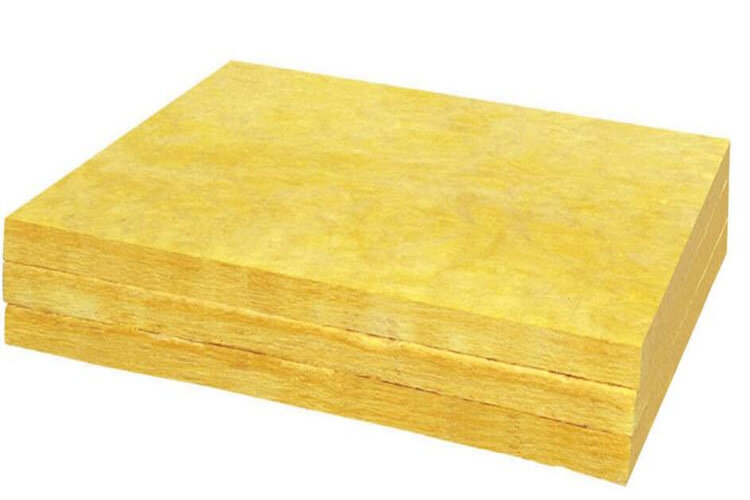
Glass Wool Board
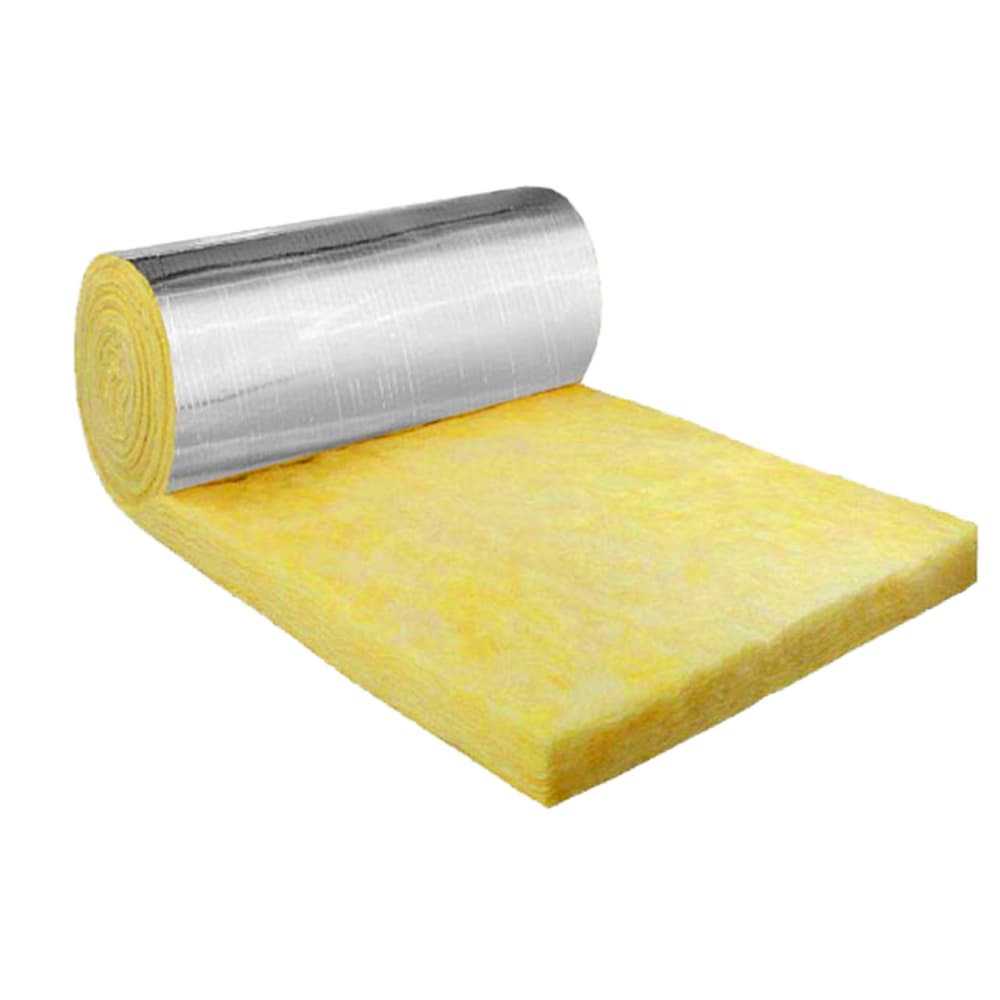
Glass Wool Roll / Blanket
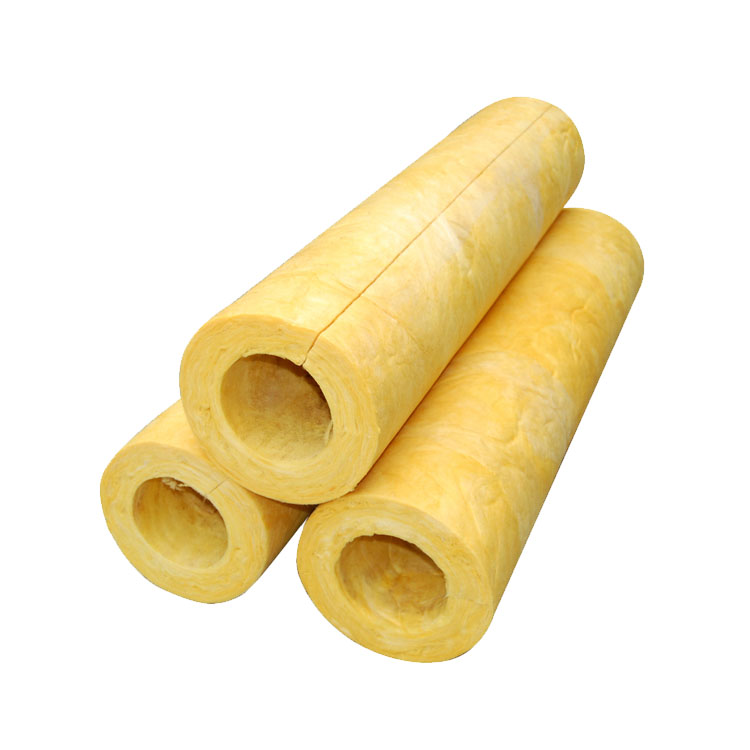
Glass Wool Pipe
Glass Wool Product Category Description
-
Glass Wool Board: Suitable for thermal insulation and sound absorption of building walls, roofs, ceilings and partition walls, widely used in residential, commercial and public buildings, with light weight, good thermal insulation performance and easy construction.
-
Glass Wool Roll / Blanket: Flexible in texture and convenient for cutting and installation, suitable for thermal insulation and sound insulation of irregular parts such as building gaps, industrial pipelines, equipment and air conditioning ducts.
-
Glass Wool Pipe: Specialized for thermal insulation and heat preservation of industrial pipelines, water supply and drainage pipes, air conditioning ducts and other pipeline systems, effectively reducing heat loss, preventing condensation and protecting pipelines from corrosion.