
1. Introduction: What Is a Glass Wool Blanket?
A glass wool blanket is a flexible thermal and acoustic insulation material made from extremely fine glass fibers bonded together with a thermosetting resin. It is widely used in construction, HVAC systems, and industrial facilities where heat control, energy efficiency, and noise reduction are required.
The production process begins with raw materials such as silica sand, soda ash, and recycled glass. These materials are melted at high temperatures and spun into fine fibers. The fibers are then formed into a blanket-like structure, creating a lightweight, porous material filled with countless air pockets. These trapped air layers are what give glass wool its excellent insulating properties.
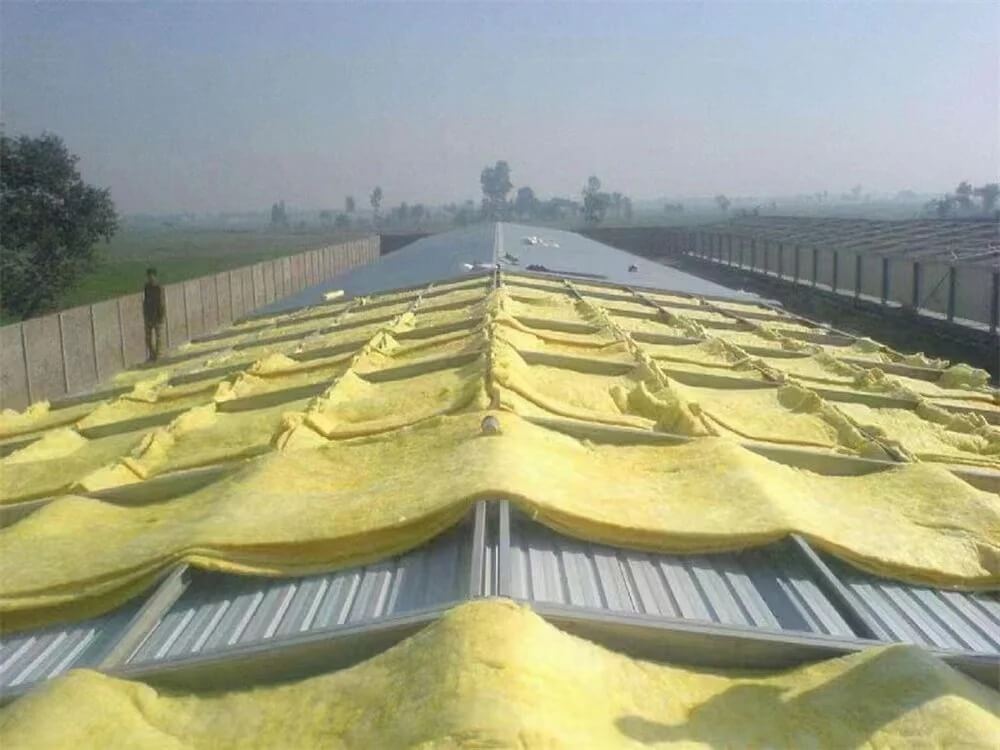
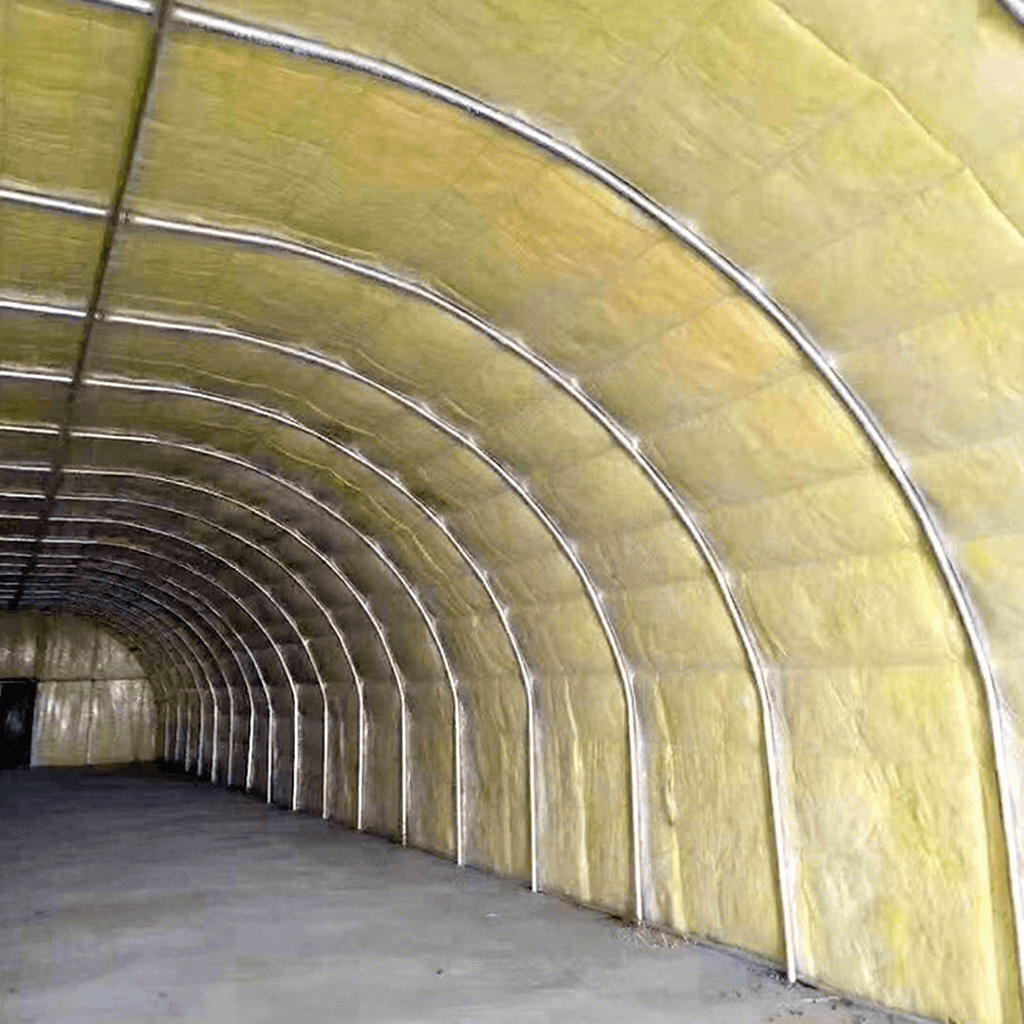
Because of its flexibility, glass wool blanket insulation can be easily cut, rolled, and installed in different structures such as walls, roofs, ducts, and pipelines. It is one of the most widely used insulation materials globally due to its balance of cost efficiency, performance, and safety.
2. How Glass Wool Blanket Is Manufactured
The performance of glass wool insulation depends heavily on its manufacturing process. Each stage is carefully controlled to ensure consistent fiber structure and insulation efficiency.
2.1 Raw Materials Selection
The primary ingredients include:
- Silica sand (main component)
- Soda ash (fluxing agent)
- Limestone (stabilizer)
- Recycled glass (cullet)
Using recycled glass not only reduces environmental impact but also improves sustainability.
2.2 High-Temperature Melting
The raw materials are melted in a furnace at approximately 1100°C–1300°C. At this stage, the mixture becomes molten glass ready for fiberization.
2.3 Fiber Formation
The molten glass is spun through high-speed centrifuges or spinnerets. This process creates extremely fine fibers that resemble wool, hence the name “glass wool.”
2.4 Resin Bonding and Mat Formation
A thermosetting resin is sprayed onto the fibers to bond them together. The material is then collected into a continuous blanket form.
2.5 Curing and Cutting
The blanket is heated to cure the resin and stabilize the structure. Finally, it is cut into rolls or panels of different thicknesses and densities depending on application requirements.
3. Key Physical and Technical Properties
Glass wool blankets are widely chosen because of their unique combination of physical properties.
3.1 Thermal Insulation Performance
The thermal conductivity of glass wool is extremely low, typically ranging between 0.032–0.040 W/m·K. This makes it highly effective at reducing heat transfer through walls, roofs, and mechanical systems.
The insulation effect is achieved by the trapped air within the fiber matrix, which slows down heat conduction and convection.For detailed parameters, please refer to the glass wool blanket.
3.2 Acoustic Insulation Performance
The porous structure of glass wool makes it an excellent sound absorber. It is particularly effective in reducing mid- and high-frequency noise, making it suitable for HVAC ducts, studios, and industrial equipment rooms.
3.3 Fire Resistance
Glass wool is classified as a non-combustible material (commonly A1 class in European standards). It does not burn or contribute to flame spread, making it suitable for fire-sensitive environments.
3.4 Moisture Resistance
Although glass fibers themselves do not absorb water, modern glass wool products are often treated with hydrophobic agents to prevent moisture absorption and maintain insulation efficiency.
3.5 Mechanical Flexibility
Glass wool blankets are soft, compressible, and resilient. They can be easily installed in irregular spaces and recover their thickness after compression.
4. Glass Wool Blanket Specifications
Glass wool blankets are available in a wide range of specifications to meet different engineering needs.
Common Technical Parameters:
- Density: 8–48 kg/m³
- Thickness: 25mm, 50mm, 75mm, 100mm+
- Width: Typically 1.2 meters
- Thermal conductivity: 0.032–0.040 W/m·K
- Service temperature: up to 250°C–450°C depending on grade
Facing Options:
- Aluminum foil facing (reflective insulation and vapor barrier)
- Kraft paper backing
- Glass tissue facing
Typical Product Forms:
- Rolls (most common)
- Batts (pre-cut panels)
- Laminated insulation systems
Higher density products generally provide better acoustic performance, while lower density versions are more cost-effective for thermal insulation.
5. Key Advantages of Glass Wool Blanket
Glass wool blankets offer several important advantages that explain their widespread use across industries.
5.1 High Energy Efficiency
By minimizing heat loss in winter and heat gain in summer, glass wool significantly reduces energy consumption in buildings and industrial systems.
5.2 Lightweight and Easy Installation
Its low density makes it easy to handle and install, reducing labor costs and construction time.
5.3 Cost-Effective Solution
Compared to foam-based insulation materials, glass wool provides excellent performance at a lower cost, making it ideal for large-scale projects.
5.4 Fire Safety Performance
Its non-combustible nature makes it a preferred choice in buildings requiring strict fire safety compliance.
5.5 Long-Term Stability
Glass wool maintains its structure over time without significant degradation, ensuring long service life.
6. Applications of Glass Wool Blanket
Glass wool blankets are used across multiple industries due to their versatility.
6.1 Building Insulation
- Roof insulation systems
- External and internal wall insulation
- Partition walls for thermal and acoustic control
6.2 HVAC Systems
- Air duct insulation
- Ventilation noise reduction
- Temperature stabilization in airflow systems
6.3 Industrial Equipment
- Boiler insulation
- Furnace lining
- Pipeline heat preservation
- Tank insulation
6.4 Acoustic Engineering
- Recording studios
- Conference halls
- Industrial noise control rooms
- Mechanical equipment enclosures
6.5 Transportation Industry
- Ship insulation systems
- Railway carriage insulation
- Automotive thermal protection
Its adaptability makes it one of the most universal insulation materials in modern engineering.
7. Installation Guide for Glass Wool Blanket
Proper installation is essential to achieve optimal insulation performance.
7.1 Surface Preparation
Ensure the surface is clean, dry, and free of dust or oil. Accurate measurement is necessary before cutting.
7.2 Cutting and Positioning
Use a sharp insulation knife to cut the blanket according to required dimensions. Ensure tight fitting without large gaps.
7.3 Fixing Methods
Depending on the application:
- Mechanical fastening (pins, wires, clips)
- Adhesive bonding systems
- Metal mesh support for industrial pipelines
7.4 Safety Precautions
- Wear gloves, masks, and protective clothing
- Avoid direct skin contact with fibers
- Ensure proper ventilation during installation
8. Glass Wool Blanket vs Other Insulation Materials
Understanding material differences helps in selecting the right insulation system.
8.1 Glass Wool vs Rock Wool
- Glass wool is lighter and more flexible
- Rock wool has higher temperature resistance
- Glass wool is generally more cost-effective
8.2 Glass Wool vs Polyurethane Foam
- Glass wool is non-combustible
- PU foam has better airtightness but lower fire safety
- Glass wool is more environmentally stable
8.3 Glass Wool vs EPS/XPS Boards
- Glass wool offers better acoustic performance
- Foam boards provide higher compressive strength
- Glass wool is more adaptable for irregular spaces
Overall, glass wool is preferred when fire safety, acoustic control, and flexibility are priorities.
9. How to Choose the Right Glass Wool Blanket
Selecting the correct product depends on application requirements.
Key Factors:
- Required thermal resistance (R-value)
- Installation environment (temperature, humidity)
- Density selection (thermal vs acoustic priority)
- Thickness requirements
- Facing material selection (foil, kraft, or unfaced)
Application-Based Recommendations:
- HVAC systems → low-density foil-faced rolls
- Industrial pipelines → medium/high-density blankets
- Acoustic rooms → high-density unfaced material
10. Industry Standards and Certifications
High-quality glass wool products comply with international standards:
- ASTM standards for thermal conductivity testing
- EN 13501 fire classification (Europe)
- ISO quality management systems
- Environmental compliance standards for recyclability
These certifications ensure product safety, consistency, and performance reliability in global engineering projects.
11. Environmental and Sustainability Considerations
Glass wool insulation is considered a sustainable insulation material due to:
- High recycled glass content
- Low energy consumption in buildings
- Long service life reducing replacement waste
- Recyclability at end-of-life
Its environmental footprint is significantly lower than many synthetic insulation materials.
12. Conclusion: Why Glass Wool Blanket Is a Preferred Insulation Solution
Glass wool blanket remains one of the most widely used insulation materials in modern construction and industrial engineering. Its combination of thermal efficiency, acoustic performance, fire resistance, and cost-effectiveness makes it suitable for a broad range of applications.
Whether used in HVAC systems, industrial equipment, or building envelopes, it provides a reliable and long-lasting solution for energy efficiency and environmental control. As global demand for sustainable and energy-saving materials continues to rise, glass wool blanket will remain a core material in insulation engineering.
13. Glass Wool Blanket Case Share
Last October, a customer from Vietnam called me about an office renovation,Four floors. About 2,000 square meters. They needed insulation for walls, ceilings, and HVAC ducts.
They compared fiberglass with rock wool but chose fiberglass for its better cost performance.
After discussing their needs, I recommended:
-
For walls (vertical use): 32 kg/m³, 50mm thick – 1,000 m²
-
For ceilings (horizontal use): 24 kg/m³, 75mm thick – 1,000 m²
Two shipments. Both arrived clean, no damage
Need glass wool blankets for your office renovation?
We supply high-quality glass wool in all densities — from 16 kg/m³ to 48 kg/m³. Fast shipping. Competitive pricing.