
If you are sourcing Rockwool insulation for exterior walls, you have probably compared the usual options: fiberglass, rigid foam, and Rockwool (mineral wool). As an exporter who has replaced rotted sheathing behind failed foam and listened to homeowners complain about hollow-sounding fiberglass walls, I want to give my clients a candid breakdown.
Why Exterior Wall Insulation is Different
Exterior walls are not attics. They face three brutal forces: wind-driven moisture, thermal bridging (heat escaping through studs), and fire. If your insulation fails at any of these, the building envelope fails. When you choose Rockwool insulation for exterior walls, you need to look beyond R-value per inch. You need dimensional stability and water tolerance.
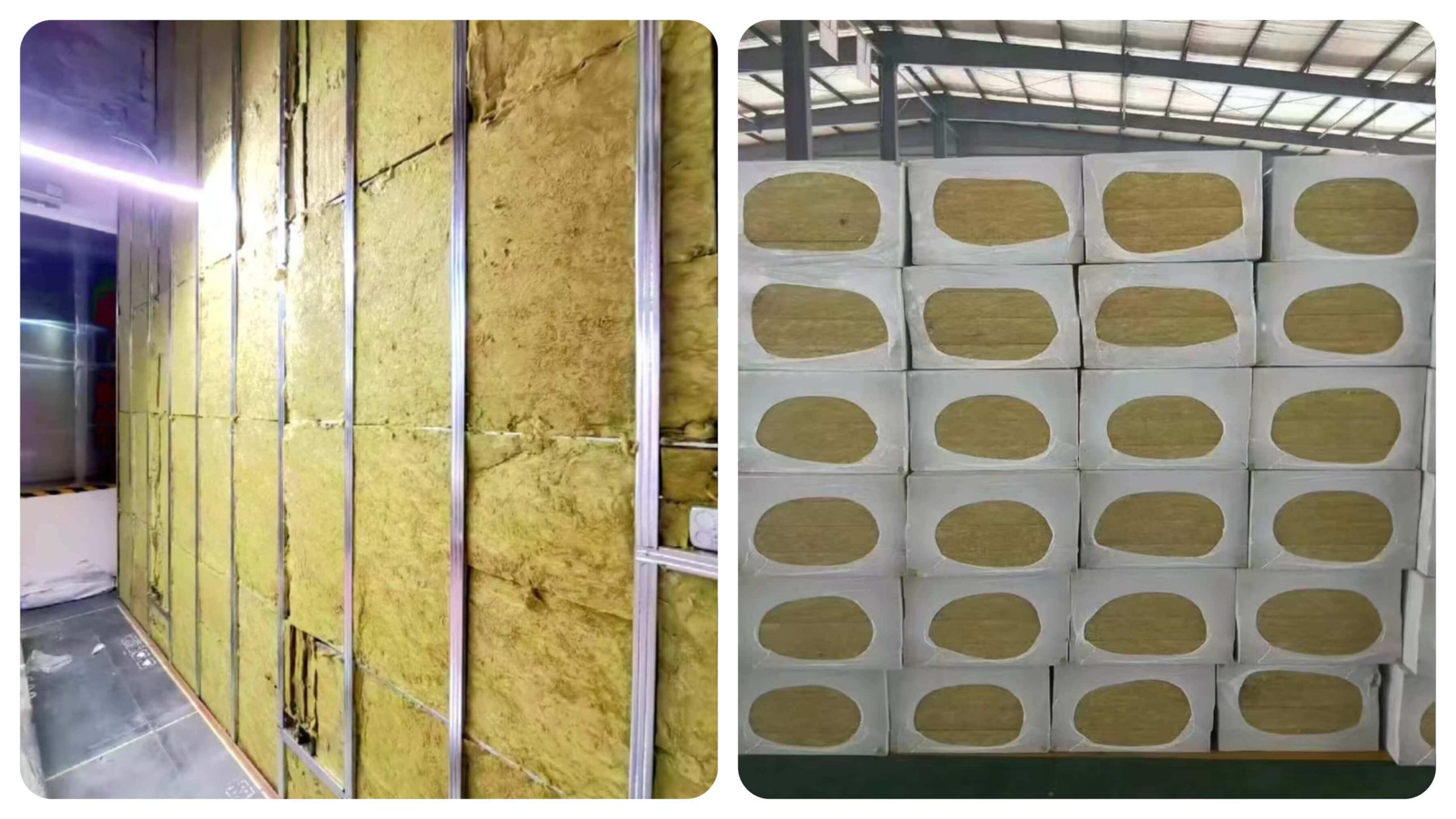
Rockwool vs. The Competition: Key Characteristics
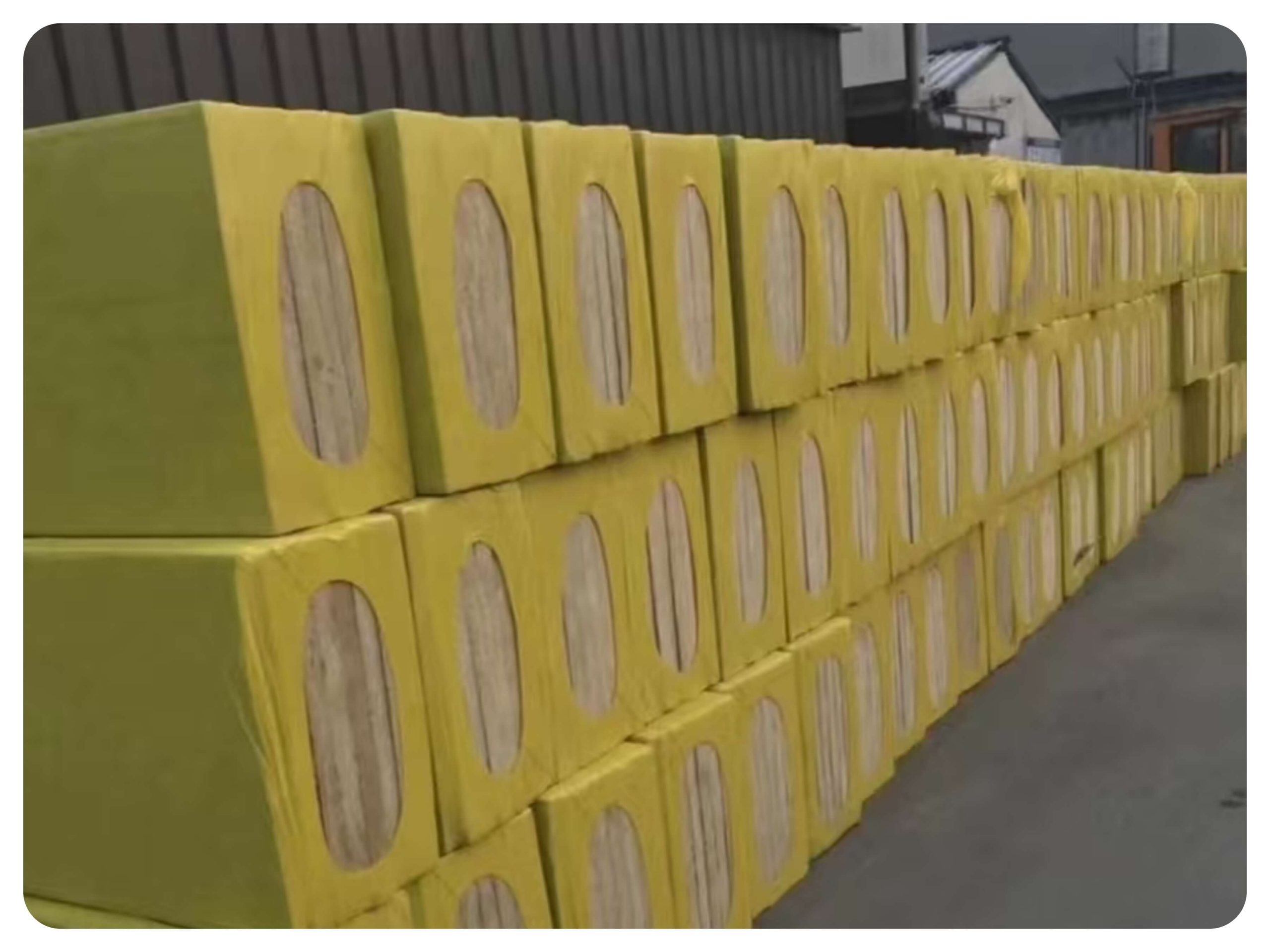
Rockwool insulation for exterior walls (stone wool) is made from basalt rock , spun into dense, semi-rigid batts or boards. Here is what that actually means for your build.
1. Hydrophobic but Vapor-Permeable
Unlike XPS or EPS foam, Rockwool insulation for exterior walls is water-repellent. It will not wick moisture. If a leak occurs, water drains through. Yet it breathes (vapor permeable), allowing the wall to dry. Foam traps moisture against the sheathing, leading to rot. Rockwool insulation for exterior walls prevents rot.
2. Fire Safety is Non-Negotiable
Rockwool is made of stone. It is non-combustible (Class A fire rating) with a melting point over 2,150°F (1,177°C). Fiberglass melts at 1,500°F; foam burns. For multi-family housing or commercial exteriors, Rockwool insulation for exterior walls is the only logical choice for life safety.
3. Acoustic Performance
Mass stops sound. Rockwool insulation for exterior walls is significantly denser than fiberglass (roughly 8-12 lbs/cu ft vs. 0.5-1.5 lbs/cu ft). On exterior walls near highways or train tracks, it cuts traffic noise by an additional 30-40% compared to equivalent fiberglass.
The Cost Reality
Let’s talk money. Rockwool insulation for exterior walls costs more than fiberglass batts and standard rigid foam.
However, look at total installed cost (labor + material):
-
Fiberglass is cheap but requires perfect air-sealing. It sags over time.
-
Foam requires taping all seams (labor intensive).
-
Rockwool insulation for exterior walls friction-fits perfectly between studs (fast install) and requires no taping.
My advice to my clients: For high-performance walls, the premium for Rockwool insulation for exterior walls is justified. Skimp on interior finishes, not on the envelope. A single water damage claim from a failed foam wall will wipe out the savings from 10 buildings
The Pros (Why most clients spec Rockwool on 70% of their projects)
-
Water management: It acts as a drainage plane. No wicking, no mold food (stone has no organic matter). This is a core benefit of Rockwool insulation for exterior walls.
-
Thermal bridging reduction: Use continuous exterior Rockwool (Comfortboard 80) over sheathing to eliminate stud thermal bridges entirely.
-
Installation: Cut with a serrated knife; friction-fit means no staples. It holds itself in place even in walls with vibration (elevator shafts, mechanical rooms).
-
Longevity: Rockwool insulation for exterior walls does not degrade. Foam off-gasses; fiberglass settles. Stone wool lasts the life of the building.
The Cons (Don’t ignore these)
-
Itching & handling: Modern Rockwool has less itch than legacy mineral wool, but it still irritates skin and lungs. Crews must wear gloves, masks, and long sleeves. Fiberglass is slightly less irritating today.
-
Thickness for R-value: Rockwool insulation for exterior walls has a lower R-value per inch (R-4.0 to R-4.2) vs. closed-cell foam (R-6 to R-7). To achieve R-24, you need 6 inches of Rockwool vs. 4 inches of foam. This steals interior floor space.
-
Fastener costs: For continuous exterior insulation, you need specialized 10″ long screws and plates. These cost $0.50–$1.00 each, adding to budget.
My Final Verdict for my clients
Buy Rockwool insulation for exterior walls if:
-
The building is in a wet climate (Pacific Northwest, Northeast, UK, Scandinavia).
-
Fire code requires non-combustible construction (Type I, II, or III).
-
Noise pollution is a concern.
-
Sustainability matters (Rockwool contains 70%+ recycled content; foam is petroleum-based).
Consider alternatives if:
-
You are building a bone-dry desert structure with unlimited interior space (spray foam works).
-
You have a tiny budget for a temporary structure (go with cheap fiberglass).
Bottom line: As a contractor who has to guarantee these walls for 10 years, you sleep better at night when the exterior walls are insulated with Rockwool insulation for exterior walls. It is the only product that handles water, fire, and sound without compromise. Pay the premium. Your client will never thank you for it—because nothing will go wrong.