
High-Performance Passive Fire Protection for Modern Buildings
Rockwool fire barriers are engineered to prevent the spread of fire and smoke through concealed spaces, including cavity walls, curtain walls, and roof voids. Manufactured from non-combustible stone wool, these systems provide reliable fire resistance, thermal insulation, and long-term durability in demanding construction environments.
Whether you are working on a high-rise façade, commercial building, or industrial plant, choosing the right fire barrier is critical for code compliance, occupant safety, and structural protection.
Get a tailored fire barrier specification and quote within 24 hours.
What Is a Rockwool Fire Barrier?
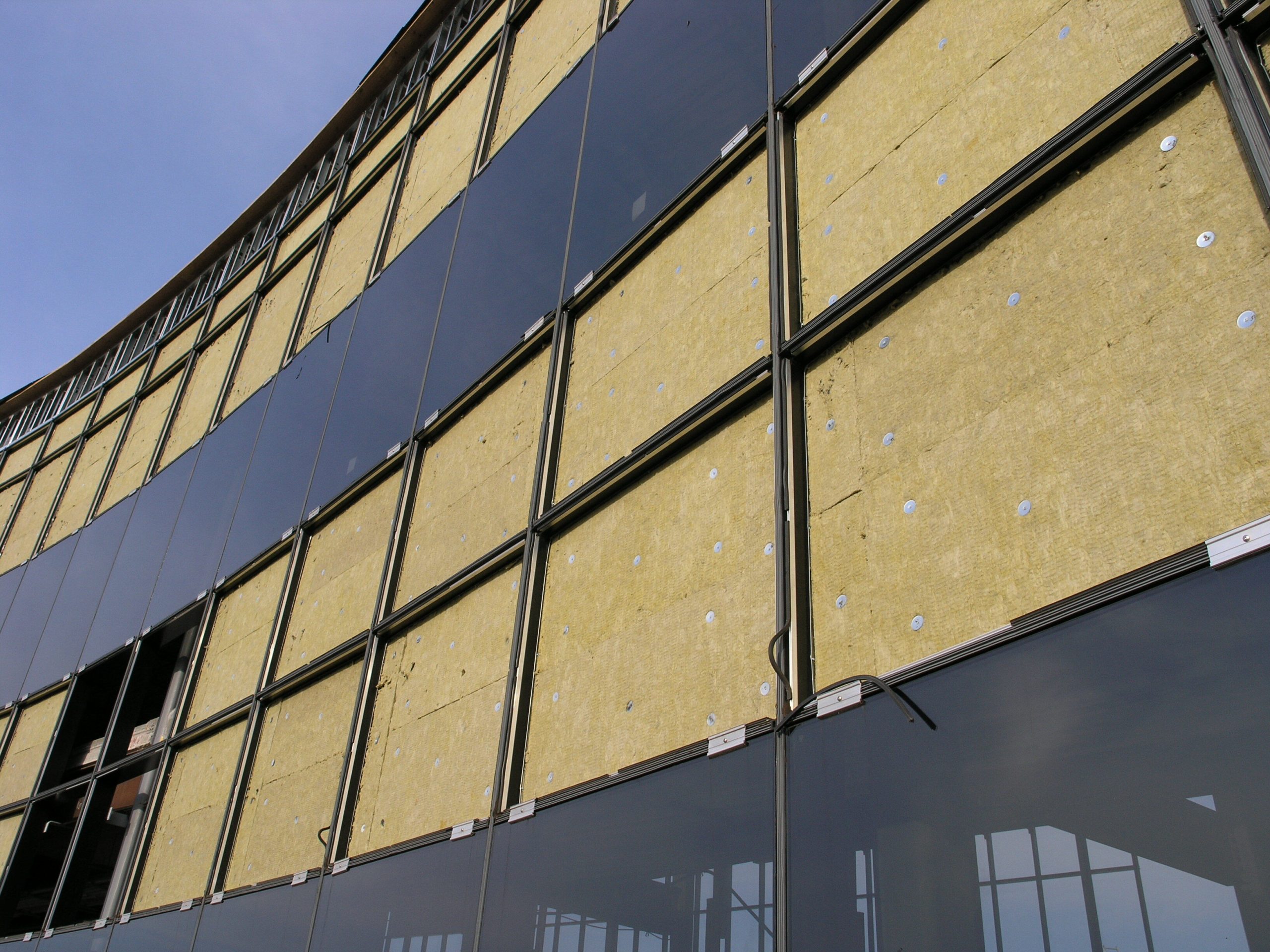
A rockwool fire barrier is a passive fire protection system made from high-density stone wool insulation, designed to compartmentalize buildings and stop fire from spreading through hidden cavities.
Unlike active fire systems (such as sprinklers), fire barriers work continuously without activation, forming a physical barrier that resists flames, heat, and smoke.
Key Functions:
- Prevent fire spread in concealed spaces
- Maintain compartmentation in buildings
- Reduce smoke propagation
- Support evacuation safety
Because stone wool has a melting point above 1000°C, it remains stable even under extreme fire conditions, making it one of the most reliable materials for passive fire protection.
Where Rockwool Fire Barriers Are Used
Understanding the correct application is essential for both compliance and performance. Rockwool fire barriers are widely used in the following scenarios:
1. Cavity Wall Fire Barriers
Cavity walls can act as hidden channels that allow fire to spread rapidly between floors or compartments. Installing fire barriers within these cavities helps:
- Block vertical and horizontal fire spread
- Meet building code requirements
- Improve overall fire safety design
2. Curtain Wall and Façade Systems
In modern high-rise buildings, façade systems create continuous air gaps. Fire barriers:
- Prevent vertical fire spread between floors
- Protect structural elements behind cladding
- Ensure compliance with façade fire regulations
3. Roof Voids and Ceiling Voids
Unprotected roof spaces can allow fire to travel unseen. Fire barriers:
- Divide large voids into smaller compartments
- Limit fire growth
- Enhance fire containment
4. Service Penetrations
Where ducts, pipes, and cables pass through walls or floors, fire barriers:
- Seal openings
- Prevent fire and smoke leakage
- Maintain fire-rated integrity
Common Fire Protection Challenges (and How to Solve Them)
Problem 1: Fire Spreads Through Hidden Cavities
Many buildings fail fire safety inspections because fire can travel unseen through voids.
Solution:
High-density rockwool fire barriers create a continuous, non-combustible barrier, stopping fire at its source.
Problem 2: Non-Compliance with Fire Regulations
Incorrect materials or poor installation often lead to failed inspections.
Solution:
Use fire barriers tested to EN and ASTM standards, ensuring full compliance with international building codes.
Problem 3: Difficult Installation and Gaps
Improper installation reduces effectiveness and creates fire risks.
Solution:
Pre-formed, flexible rockwool systems allow:
- Easy cutting and fitting
- Tight sealing
- Reduced installation errors
Types of Rockwool Fire Barrier Solutions
To meet different project requirements, rockwool fire barriers are available in multiple forms:
Fire Barrier Rolls
- Flexible and easy to install
- Ideal for large cavities and voids
- Often reinforced with wire mesh or foil
Fire Barrier Boards
- Rigid panels for structural applications
- Suitable for façade and wall systems
- Provide consistent thickness and density
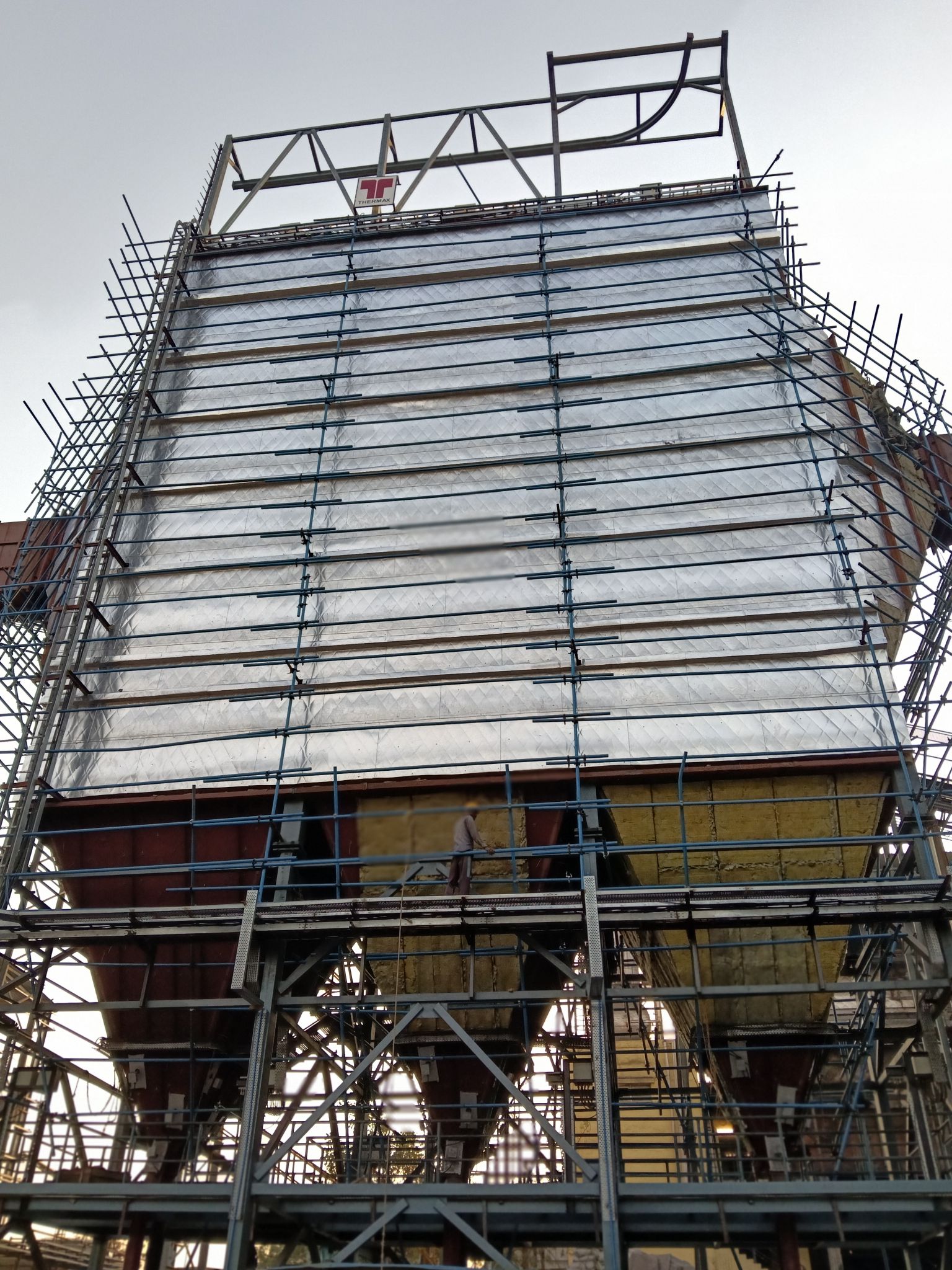
Foil-Faced Fire Barriers
- Added vapor control
- Improved smoke resistance
- Suitable for HVAC and duct applications
External Wall Fire Barrier Systems
- Designed for ETICS and ventilated façades
- Combine fire protection with thermal insulation
Technical Specifications
A reliable fire barrier must meet strict performance criteria. Below are typical specifications:
- Density: 40–100 kg/m³
- Thickness: 50mm / 75mm / 100mm (custom available)
- Fire Rating: EI30, EI60, EI120
- Thermal Conductivity: Low (energy-efficient insulation)
- Melting Point: >1000°C
- Reaction to Fire: A1 (non-combustible)
Full technical datasheets available upon request.
Fire Performance & Compliance Standards
Fire barriers must meet internationally recognized standards to ensure reliability.
European Standards
- EN 1364 – Fire resistance tests
- EN 13501-1 – Fire classification
ASTM Standards (US)
- ASTM E84 – Surface burning characteristics
- ASTM E119 – Fire resistance testing
Fire Classification
- A1 Non-Combustible
- Resistant to flame spread and heat transfer
Using certified products ensures your project meets regulatory requirements and safety expectations.
Installation Guide
Proper installation is essential for achieving full fire performance.
Basic Installation Steps:
- Measure and cut the fire barrier to fit the cavity
- Secure using appropriate fixings or support systems
- Ensure tight joints with no gaps
- Seal edges where necessary
Common Mistakes to Avoid:
- Leaving gaps between sections
- Incorrect fixing spacing
- Using incompatible materials
Rockwool Fire Barrier vs Other Materials
Choosing the right material can significantly impact safety and compliance.
| Material | Fire Resistance | Durability | Compliance Level |
|---|---|---|---|
| Rock wool | Excellent | Excellent | High |
| Foam Insulation | Poor | Low | Low |
| Fiberglass | Moderate | Moderate | Medium |
Rockwool stands out due to its non-combustibility, stability under high temperatures, and long service life.
Why Choose Our Fire Barrier Solutions
Not all fire barriers are the same. We provide solutions tailored to real project needs.
✔ Customization
- Thickness, density, and size options
- Suitable for various applications
✔ Fast Supply & Export Experience
- Reliable delivery schedules
- International shipping support
✔ Technical Support
- Assistance with product selection
- Compliance guidance
- Installation advice
✔ OEM & Bulk Supply
- Flexible production
- Distributor-friendly policies
Project Applications
Our rockwool fire barriers are widely used in:
- High-rise residential buildings
- Commercial complexes
- Industrial facilities
- Infrastructure projects
Example Use Case:
A high-rise facade project required EI120 fire protection within a ventilated cavity. By installing high-density rockwool barriers, the contractor:
- Achieved full compliance
- Prevented vertical fire spread
- Passed inspection without delays
Frequently Asked Questions (FAQ)
What thickness of fire barrier is required?
This depends on fire rating requirements. Common thicknesses include 50mm, 75mm, and 100mm, corresponding to different fire resistance levels.
Is rockwool fire barrier waterproof?
Rockwool is water-resistant but breathable. Additional facings can improve moisture protection.
What is the difference between fire barrier and firestop?
- Fire barrier: Prevents fire spread in cavities
- Firestop: Seals penetrations (pipes, cables)
Can it be used in facade systems?
Yes, rockwool fire barriers are widely used in curtain walls and ventilated façades.
Does it provide thermal insulation?
Yes, it also improves energy efficiency due to its low thermal conductivity.
Get Expert Support for Your Project
Choosing the right fire barrier is critical for safety, compliance, and long-term performance. Our team is ready to help you select the most suitable solution based on your project requirements.
What You Get:
- Free technical consultation
- Customized product recommendations
- Fast quotation
Request your fire barrier solution today.
Contact us to receive complete documentation for your project.
Conclusion
Rock wool fire barriers are an essential component of modern passive fire protection systems. With excellent fire resistance, durability, and compliance with international standards, they provide a reliable solution for protecting buildings and occupants.
By combining technical performance with proper installation and expert support, you can ensure your project meets the highest safety standards while maintaining efficiency and cost-effectiveness.