
Rock wool insulation has become a preferred solution in modern construction due to its fire resistance, thermal efficiency, and acoustic performance. While many buyers begin with the question, What is the price per square foot? the real answer goes far beyond a simple number.
In practice, rock wool insulation pricing is influenced by product type, density, application method, and project scale. Prices typically range between $1.20 and $2.00 per square foot for standard thicknesses. Understanding these factors is essential—not only to control costs, but also to ensure long-term performance and compliance with building standards.
This guide provides a clear, in-depth breakdown of rock wool insulation pricing logic, helping you make smarter decisions whether you are a contractor, distributor, or project owner.
Rock Wool Insulation Price at a Glance
Rock wool insulation is generally positioned in the mid-to-high range of insulation materials. Compared to basic options, it may require a higher initial investment, but it delivers significantly better performance in critical areas such as fire safety and durability.
Instead of focusing only on price per square foot, it is more useful to think in terms of:
- Performance per cost
- Lifecycle value
- Application suitability
These three dimensions determine whether rock wool is truly cost-effective for your project.
Price by Product Type
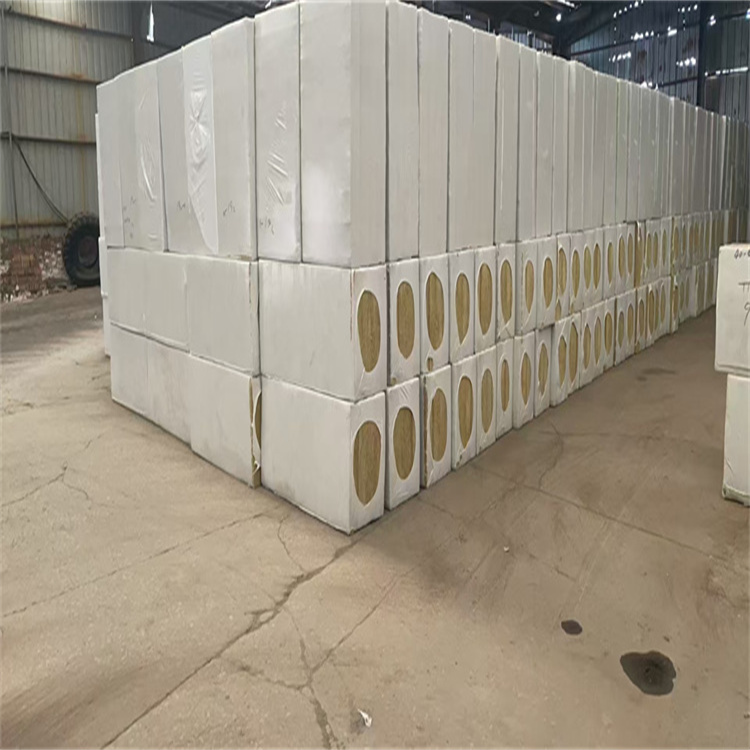
Rock wool insulation is available in several forms, each designed for specific applications:
- Batts and blankets are flexible and easy to install, commonly used in residential walls and partitions. They offer a balance between cost and performance.
- Boards or slabs are rigid and denser, making them suitable for façades, roofs, and industrial environments where structural strength and fire resistance are critical.
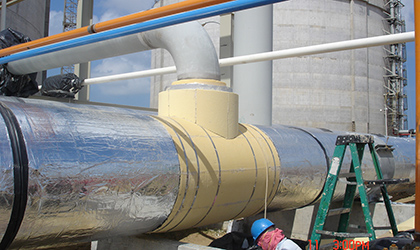
- Pipe insulation is pre-formed for HVAC and industrial systems, requiring more precise manufacturing and therefore higher cost.
- Loose-fill insulation is used in cavity filling and irregular spaces, offering flexibility in application.
The more specialized and high-performance the product, the higher its price per square foot tends to be.
Price by Thickness
Thickness plays a central role in both thermal performance and cost.
Thicker insulation:
- Provides higher thermal resistance (R-value)
- Improves energy efficiency
- Enhances fire protection
However, increasing thickness also increases material usage and installation complexity. The key is to optimize thickness based on actual project requirements, rather than assuming “thicker is always better.”
Rock Wool Insulation Cost Breakdown
To understand pricing accurately, it is essential to break down the total cost into its core components.
Material Costs
Material pricing is influenced by:
- Raw material composition
- Manufacturing process and quality control
- Density and compressive strength
- Surface facing (foil, kraft, or unfaced)
Higher-density products require more raw material and stricter production standards, which increases cost—but also significantly improves performance in demanding environments.
Installation Costs
Installation is often underestimated but can represent a substantial portion of total cost.
Factors that influence installation cost include:
- Project complexity
- Accessibility of the installation area
- Required fixing systems and accessories
- Safety requirements, especially in high-rise or industrial settings
Simple wall insulation projects are relatively straightforward, while façade systems or industrial applications require skilled labor and specialized techniques.
Hidden Costs
Beyond materials and labor, several indirect costs can affect your budget:
- Vapor barriers and protective layers
- Mechanical fixings and support systems
- Transportation and logistics
- Material waste and cutting loss
Failing to account for these elements can lead to underestimating total project cost. A well-prepared budget always includes a margin for these additional requirements.
Factors Affecting Rock Wool Insulation Price
Rock wool insulation pricing is not fixed—it varies depending on several key factors.
Thickness and R-Value
Thermal performance is directly related to thickness. Higher R-values improve energy efficiency but also increase material usage.
The goal is to find a balanced specification that meets energy codes without unnecessary overspending.
Density and Performance Grade
Density determines how the insulation performs under different conditions:
Lower density products are suitable for standard residential use
Higher density products are designed for fire-rated systems and industrial applications
Choosing the correct density is critical. Over-specifying can increase costs unnecessarily, while under-specifying can compromise performance.
Application Area
Different applications require different product characteristics:
- Walls prioritize thermal and acoustic performance
- Roofs require higher load-bearing capacity
- HVAC systems need precise fitting and thermal stability
- Industrial equipment demands high-temperature resistance
In the Philippines, where high temperatures and typhoons are common, external wall insulation must do more than just save energy. Rock wool boards offer the strength to resist wind pressure and impact from flying debris, while keeping indoor spaces cool.
Each application influences both material selection and installation method, which in turn affects pricing.
Project Scale
Project size has a major impact on unit cost:
- Small-scale purchases typically have higher per-unit costs
- Large-scale or bulk orders benefit from economies of scale
Working directly with manufacturers or large suppliers can significantly reduce cost per square foot for bigger projects.
Regional Price Differences
Pricing also varies by region due to:
- Labor costs
- Transportation distances
- Market demand
- Local regulations
For example, regions with strict fire safety codes tend to have higher demand for rock wool, which can influence pricing structures.
Price by Application
Understanding how pricing changes across applications helps improve cost planning.
External Wall Insulation
External wall systems often require:
- High-density boards
- Fire-resistant performance
- Integration with cladding systems
These requirements make façade insulation one of the more complex and cost-sensitive applications.
Roof Insulation
Roof insulation must withstand:
- Mechanical loads
- Weather exposure
- Long-term thermal stress
Flat roofs, in particular, require stronger and more durable insulation materials.
Partition Wall / Acoustic Insulation
In interior applications, rock wool is valued for its sound absorption properties.
It is widely used in:
- Offices
- Commercial buildings
- Hotels and studios
The focus here is often on achieving the right balance between acoustic performance and cost efficiency.
A common real-world example in the Philippines: a 20-storey condominium in BGC or a BPO office in Cebu. By using 50mm rock wool within partition walls, developers can meet fire codes while reducing noise transfer between rooms—essential for tenant comfort and call center operations.
Industrial Insulation
Industrial applications are among the most demanding:
- High temperatures
- Continuous operation
- Strict safety requirements
These conditions require specialized high-density products, which naturally increases cost but ensures reliability and longevity.
Rock Wool vs Other Insulation Materials
Comparing rock wool with alternative materials highlights its value.
Rock Wool vs Fiberglass
Fiberglass is typically cheaper, but rock wool offers:
- Superior fire resistance
- Better durability
- Improved acoustic performance
While fiberglass batts or EPS sheets are still seen in some local projects due to lower upfront cost, they are more prone to moisture absorption and fire risk. Rock wool’s water-resistant and non-combustible nature makes it a smarter long-term investment for the Philippine climate.
Rock Wool vs Spray Foam
Spray foam provides excellent sealing but:
- Is more expensive
- Requires specialized installation
Rock wool offers a more balanced solution for many applications.
Rock Wool vs PIR / EPS
Rigid foam boards may have lower upfront costs, but they:
Have lower fire resistance
May not meet stricter safety standards
Rock wool stands out in projects where fire safety is a priority.
Is Rock Wool Insulation Worth the Price?
The true value of rock wool insulation lies in its long-term benefits.
Long-Term Cost Savings
Although initial costs may be higher, rock wool helps reduce:
- Energy consumption
- Maintenance needs
- Replacement frequency
Fire Resistance Value
Rock wool is non-combustible and can withstand extremely high temperatures. This makes it a key material in:
- Fire-rated wall systems
- High-rise buildings
- Industrial facilities
Under the Philippine National Building Code (PD 1096), fire safety is a top priority for high-rise and commercial buildings. Unlike EPS or PIR foam, rock wool is non-combustible—making it a compliant and safer choice for projects in Metro Manila, Cebu, or Davao.
Acoustic Performance
Its dense fiber structure effectively absorbs sound, making it ideal for environments where noise control is important.
Real Project Cases
Commercial Partition Wall Project (Office Building)
In a commercial office project, the contractor needed a solution that could meet both fire rating and acoustic requirements without significantly increasing the overall project cost.
Instead of using multiple materials (fire board + acoustic panel), they selected 50mm rock wool insulation within a drywall system.
Cost Insight:
- Using rock wool allowed the project to combine fire protection and sound insulation in one material
- This reduced the need for additional layers, lowering total system cost per square foot
- Installation time was also shorter, reducing labor expenses
Key takeaway: Rock wool may seem higher in material price, but it can reduce total system cost by replacing multiple materials.
Industrial Plant Insulation (High-Temperature Facility)
An industrial plant required insulation for pipelines operating under high temperatures. The project initially considered cheaper insulation materials, but they failed to meet durability and safety requirements.
The final solution used high-density rock wool insulation.
Cost Insight:
- Although the initial price per square foot was higher, the material required less frequent replacement
- Reduced heat loss improved energy efficiency, lowering operational costs
- Maintenance costs were significantly reduced over time
Key takeaway: In industrial applications, rock wool offers lower lifecycle cost, even if the upfront price is higher.
Residential Roof Insulation (Energy Upgrade Project)
A homeowner upgraded roof insulation to reduce heating and cooling expenses. Rock wool was selected instead of fiberglass due to better thermal stability and fire resistance.
Cost Insight:
- Initial cost was slightly higher than standard insulation
- However, improved thermal performance reduced energy consumption
- The homeowner achieved long-term savings on utility bills
Key takeaway: Rock wool delivers better return on investment (ROI) through energy savings, not just initial price.
FAQs About Rock Wool Insulation Price
1.Cost per Square Foot
Varies depending on product type, thickness, and application.
2.Why It Costs More Than Fiberglass
Due to superior performance in fire resistance and durability.
3.Bulk Pricing Availability
Yes, larger orders typically reduce unit cost.
4.Lifespan of Rock Wool
Designed to last for decades with minimal degradation.
5.Impact of Thickness on Price
Greater thickness increases cost but improves performance.
Conclusion: How to Balance Cost and Performance
Rock wool insulation is not simply a cost—it is an investment in safety, efficiency, and durability.
Rather than focusing solely on price per square foot, successful projects consider:
- Application requirements
- Performance expectations
- Long-term value
By selecting the right product and working with knowledgeable suppliers, you can achieve the optimal balance between cost and performance, ensuring your project delivers lasting results.