
After a decade working as a rock wool supplier serving contractors, specifiers, and distributors across North America, Europe, and Southeast Asia, I’ve seen one mistake repeat itself: buyers search for mineral wool insulation for sale, but don’t know what they’re actually buying.
This guide explains what mineral wool is, where it fits in the insulation family, how to choose the right product, and what to look for when you buy. I’ll write this from my perspective as someone who supplies rock wool wholesale to job sites every day.
1. What Is Mineral Wool?
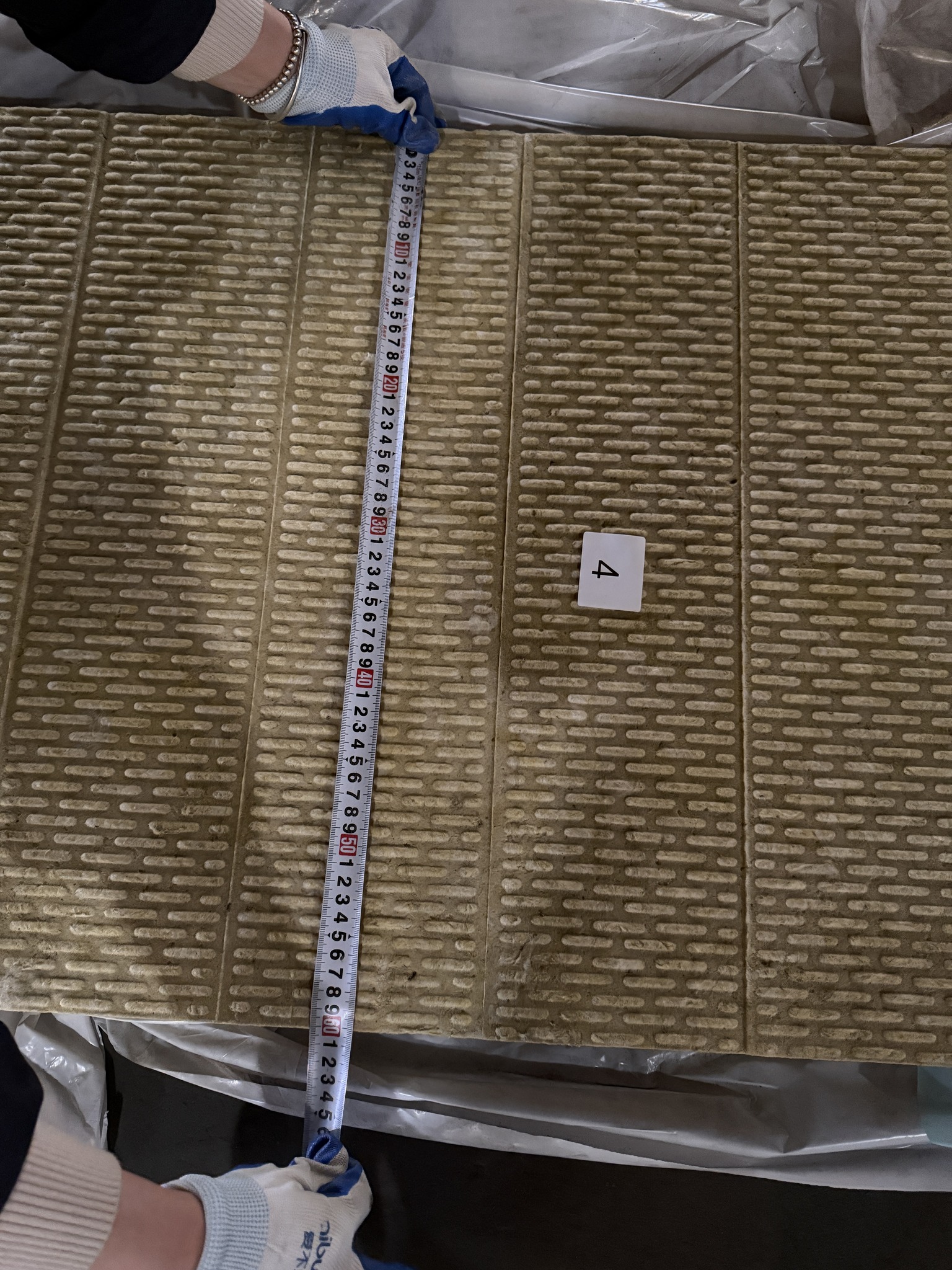
Mineral wool is a broad category of fibrous insulation made from molten inorganic materials—typically natural stone or industrial minerals—spun into flexible batts, semi-rigid boards, or loose-fill. It belongs to the family of man-made vitreous fibers (MMVFs), alongside fiberglass and ceramic fibers.
Unlike organic insulations (foam, cellulose, cotton), mineral wool is non-combustible, hydrophobic (repels water but allows vapor to pass), and dimensionally stable under heat, cold, or humidity.
When you search for mineral wool insulation for sale, most quality products on the market today are rock wool—made from basalt or diabase. As a rock wool exporter, I can tell you that rock wool represents the vast majority of premium mineral wool sold globally.
2. Where Does Rock Wool Fit in the Insulation Market?
Rock wool occupies the high-performance, mid-to-premium density segment. Below it in cost: standard fiberglass batts and blown cellulose. Above it: spray foam and aerogel.
But price per R-value is misleading. Rock wool wins on total cost of ownership because it:
Does not sag or settle over decades
Never loses R-value from moisture absorption
Eliminates the need for separate fireproofing in many assemblies
Lowers insurance premiums for commercial buildings
From my experience as a rock wool supplier, customers who switch from fiberglass to rock wool almost never switch back. When you see mineral wool insulation for sale from a reputable rock wool exporter, you are buying the only mainstream insulation that is simultaneously Class A fire-rated, mold-proof, rodent-resistant, and acoustically superior to foam or fiberglass.
3. Rock Wool vs. Other Mineral Wool Types
In the global market, “mineral wool” includes rock wool and a few other variations. However, for practical purposes—especially when you buy rock wool wholesale—you will almost exclusively encounter rock wool made from volcanic stone.
The differences between rock wool and other mineral wool types are minor for 95% of applications. What matters more is density, thickness tolerance, and certifications (which we cover below).
4. How Should a Customer Choose the Right Mineral Wool / Rock Wool?
After a decade of supplying rock wool wholesale to thousands of projects, I use a simple 2-step selection framework:
Step 1 – Define the primary job
Thermal only (e.g., attic floor) → Lower density batts (40–60 kg/m³)
Thermal + fire (e.g., garage shared wall, mechanical room) → Semi-rigid boards, density ≥ 60 kg/m³
Acoustic + thermal (e.g., home theater, office partitions) → Higher density (80–100 kg/m³), thicker batts
Exterior or rainscreen → Rigid boards with compressive strength ≥ 20 kPa
Step 2 – Measure your cavity size
Rock wool batts must be slightly oversized for a friction fit. Common thicknesses: 1.5”, 2”, 3”, 4”, 6”. Standard widths: 16” or 24” (center-to-center stud spacing). If you use metal studs, look for mineral wool insulation for sale labeled for steel framing—it has a different binder formulation.
5. Key Buyer Focus Points (What Actually Matters)
After supplying rock wool wholesale for ten years, I’ve learned what buyers should focus on—and what they should ignore.
Focus on these: Density – Higher = better soundproofing and fire resistance. Do not buy below 40 kg/m³ for walls.
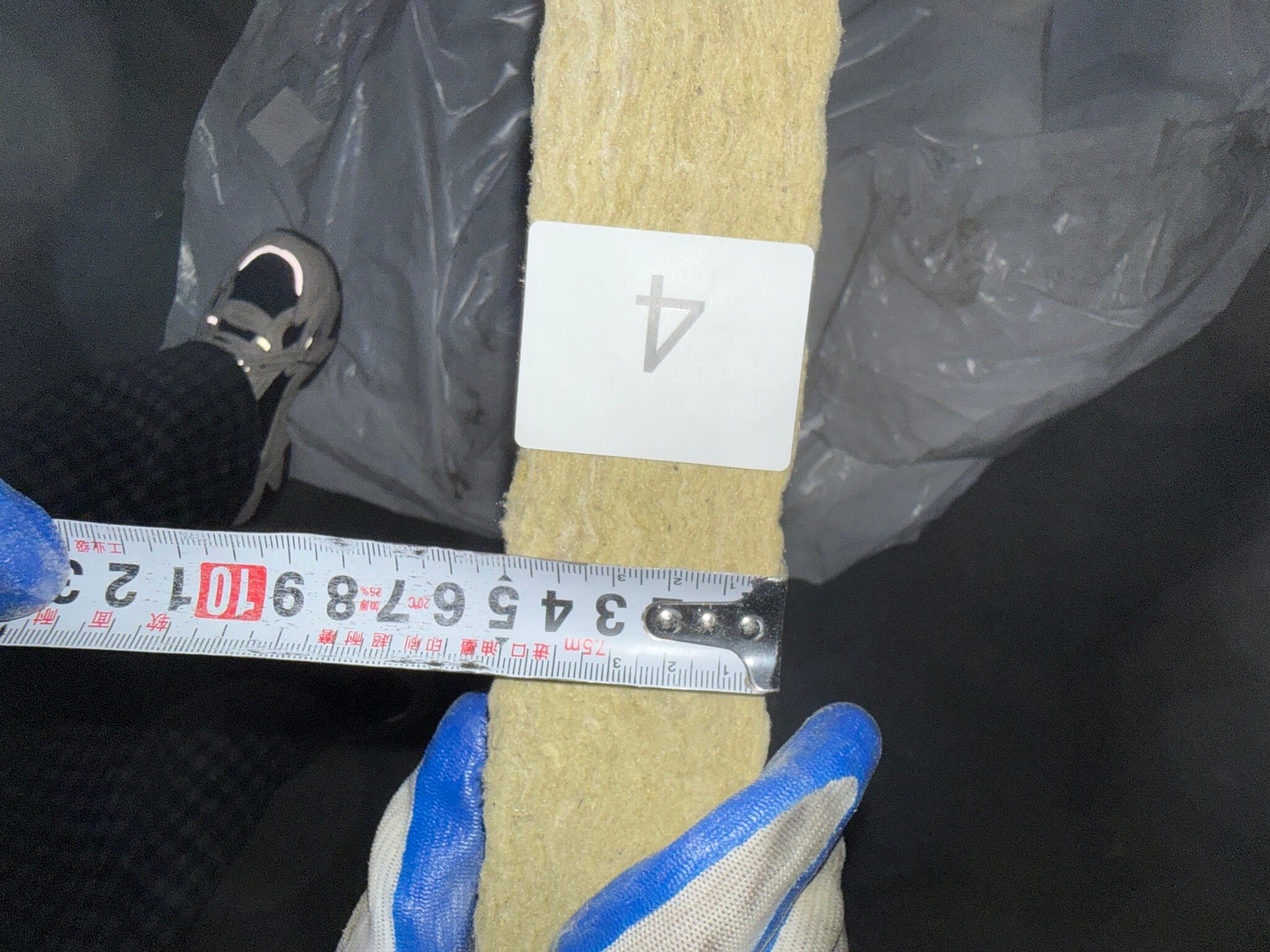
Thickness tolerance – Should be ±2 mm. Poor quality boards leave gaps.
Edge finish – Factory-shingled (rebated) edges seal tighter than square-cut.
Vapor permeability – Look for > 10 perms. Rock wool should breathe, not trap moisture.
6. Mineral Wool Insulation for Sale:Practical Buying Tips
Buy 10–15% extra – Cuts, electrical boxes, and odd corners create waste.
Check the production date – Rock wool does not expire, but older stock can be compressed. Look for production within 24 months.
Test a single batt first – Before you commit to rock wool wholesale quantities, buy one piece. Squeeze it (should return to shape). Sniff it (no chemical odor). Try to tear it (fibers should hold, not dust).
Shipping matters – LTL freight is fine if properly wrapped. Avoid vacuum-packed rock wool—it never fully re-expands.
7. Why Work with a Direct Rock Wool Supplier?
If you are a contractor, distributor, or specifier, buying rock wool wholesale from a direct rock wool supplier or rock wool exporter gives you:
Better pricing
Consistent product lot-to-lot
Technical support for unusual applications (curved walls, high-temperature lines, acoustic ceilings)
Access to full range of densities and thicknesses
Many buyers search for mineral wool insulation for sale on general marketplaces, but the best value comes from working directly with a rock wool exporter who understands your regional building codes and delivery logistics.
Final Summary from the Job Site
Mineral wool—specifically rock wool—is the most reliable insulation for fire safety, acoustic control, and long-term thermal performance. It belongs to the non-combustible, inorganic fiber family and outperforms foam and fiberglass in moisture resistance and dimensional stability.
When you search for mineral wool insulation for sale, now you know what to ask:
What density? Does it meet ASTM E136? Is it sized for my stud spacing? Can the rock wool supplier provide technical data sheets?
Buy density, not marketing. Pay for fire safety and acoustics. After ten years as a rock wool supplier, I can tell you: rock wool never lies, never settles, and never burns. That is why I stake my reputation on it.Learn more,please feel free to contact me by email: sales@everinsualtion.com, whatsapp:+86 18668998256.