
Noise disturbance has become one of the most common issues in modern residential and commercial buildings. Many property owners search for cost-effective insulation materials to cut down unwanted indoor noise. Glass Wool for Sound Insulation, Is it a best choice ? Among countless building insulation options, glass wool remains one of the most widely used fibrous insulating materials. However, countless buyers still hold confused questions: Is glass wool truly effective for noise reduction? Does it worth installing for home soundproofing?
With long-term field installation experience in thermal and acoustic insulation, I will break down the real acoustic performance of glass wool, clarify widespread industry misunderstandings, and share practical material selection advice for different construction scenarios.
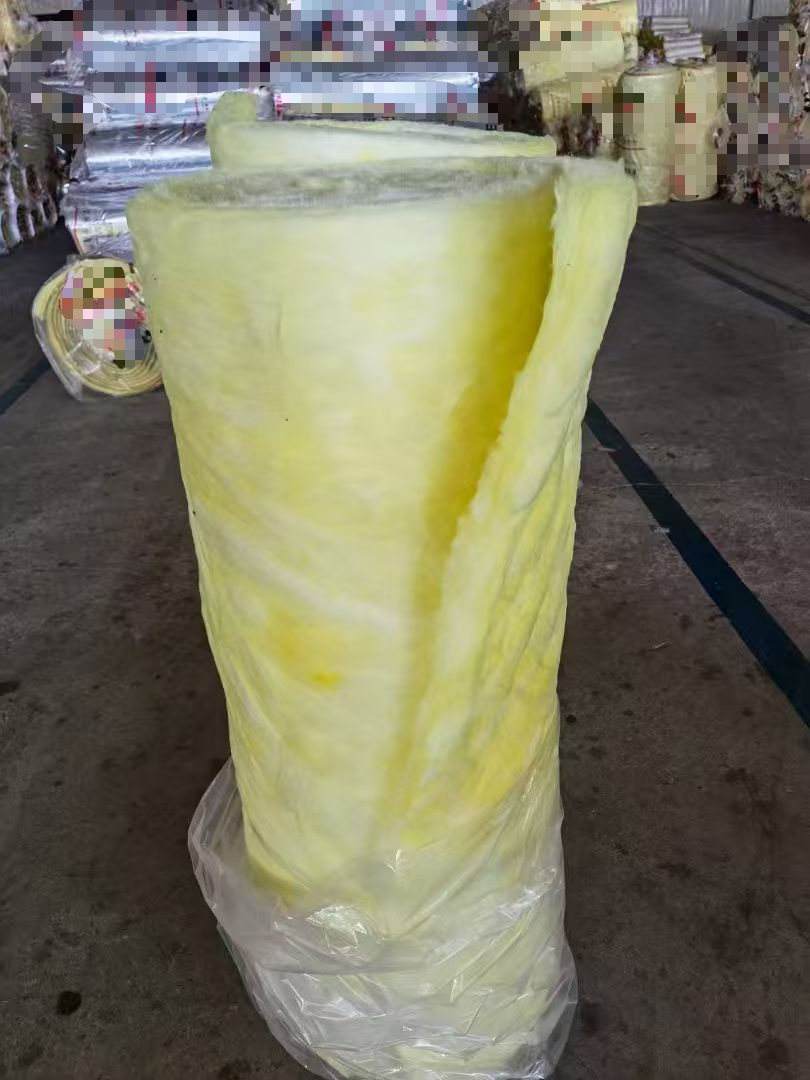
How Does Glass Wool Reduce Indoor Noise? Working Principle Explained
Unlike rigid decorative soundproof panels, glass wool relies on its natural fibrous physical structure to achieve acoustic optimization. Made of countless fine interlaced glass fibers, the material forms massive tiny air cavities inside its fluffy texture. When sound waves penetrate the glass wool layer, air friction and fiber vibration will gradually consume sound energy, weakening sound transmission efficiently.
It is necessary to clarify one key point: glass wool mainly focuses onsound absorption instead of hard sound isolation. It minimizes sound reverberation inside rooms and weakens mid-to-high frequency noise passing through partition walls. For general daily noise, this fibrous insulation can bring obvious quietness improvement after standard installation.
Practical Pros of Glass Wool for Sound Insulation in Acoustic Construction
Except for basic noise reduction capability, glass wool owns multiple inherent advantages that make it mainstream in modern construction projects.
1. Lightweight Texture for Flexible Construction
Glass wool features low density and soft texture. It can be freely cut and adapted to irregular gaps inside partition walls, suspended ceilings, floor cavities and attic structures. Compared with heavy rigid insulation materials, it is easier to transport and arrange during construction.
2. Economic Material for Large-area Usage
With stable performance and affordable market price, glass wool is extremely cost-effective for large-scale renovation and construction. It effectively controls overall material costs without sacrificing daily acoustic demands, perfectly matching the budget requirements of most residential projects.
3. Inherent Fire-resistant Safety Property
As a inorganic fibrous material, glass wool comes with natural flame retardant performance. It complies with common building fire protection standards, providing dual functions of heat preservation and noise reduction for buildings.
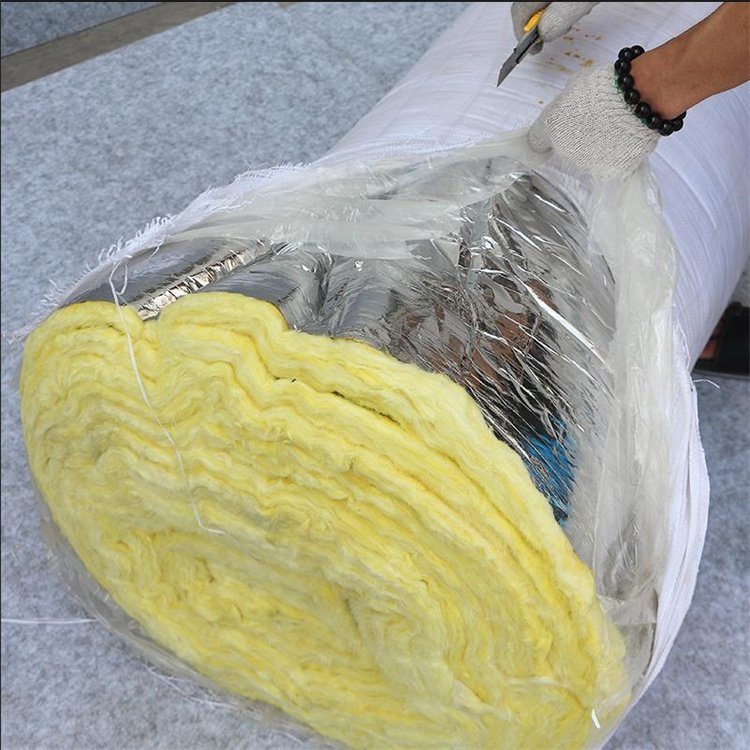
Hidden Limitations of Glass Wool You Cannot Ignore
No insulation material is universally flawless. Glass wool has obvious performance boundaries in acoustic application, which many merchants fail to remind buyers.
1. Poor Suppression on Low-frequency Vibration Noise
Glass wool performs excellently in absorbing daily mid and high-frequency noise, including human talking sound, TV audio and indoor background music. Nevertheless, it cannot effectively eliminate low-frequency rumbling noise such as heavy bass from audio equipment and continuous vibration generated by passing vehicles.
2. Installation Quality Greatly Restricts Final Effect
Many users mistakenly believe that qualified materials equal good soundproofing results. In actual construction, incomplete filling, artificial compression and splicing gaps will severely damage the overall acoustic performance. Unprofessional DIY installation is the main reason for poor noise reduction effect in many residential buildings.
Glass Wool vs Rockwool: Side-by-side Practical Comparison
Rockwool is always regarded as the direct competitor of glass wool in the insulation industry. The two inorganic fibrous materials have different application orientations, and users should select materials according to actual noise types.
Glass Wool: Daily Household-oriented Insulation
Glass wool is more suitable for ordinary families facing daily ambient noise. Its low price and easy-handling characteristics reduce construction difficulty. For urban residential buildings, apartment compartments and conventional office spaces, glass wool can create a comfortable quiet living environment with lower investment.
Rockwool: High-density Material for Strict Acoustic Needs
Rockwool adopts compact high-density fiber structure, bringing stronger low-frequency noise suppression ability and better spatial sound isolation performance. It is widely used in professional scenes requiring ultra-high quietness, such as recording studios and private home theaters.
However, rockwool has unavoidable drawbacks: expensive unit price, heavy mass and troublesome cutting process. Its raw fiber is more irritating during construction, requiring complete protective equipment for workers.
How to Choose Suitable Insulation According to Usage Scenarios
Material selection should never blindly pursue higher density or higher price. The most reasonable choice needs to combine noise type, construction budget and environmental conditions.
1. Ordinary Residential Renovation
For budget-sensitive homeowners who only need to isolate daily conversation and outdoor ambient noise, glass wool is the optimal solution. It balances cost, installation difficulty and acoustic performance, completely meeting daily household quietness needs.
2. Professional Acoustic Spaces
For recording rooms, customized home theaters and high-standard quiet offices, single glass wool cannot meet rigorous acoustic requirements. It is recommended to match high-density rockwool and professional sound insulation panels to realize precise noise control.
3. Essential Construction Suggestion
Sound insulation is a systematic engineering rather than simple material stacking. Cooperate high-quality fiber fillers with resilient channels, acoustic sealants and sealed wall structures to maximize noise reduction efficiency.
Final Verdict: Is Glass Wool Worth Buying?
After completing numerous acoustic renovation projects and long-term data tracking, glass wool is still the most balanced insulation material for mainstream buildings. It has accessible price, flexible construction and stable mid-to-high frequency noise absorption capability.
For most ordinary homeowners who pursue cost-effective quiet renovation, glass wool is the most reliable and practical choice. If you need to cope with long-term low-frequency vibration noise, partial replacement of rockwool for key areas will be a more scientific collocation plan.