
As global energy efficiency mandates tighten and sustainable construction practices become the norm, fiber glass wool insulation remains a cornerstone material for thermal regulation, acoustic control, and fire safety. For procurement professionals and purchasing managers, sourcing this material is no longer just about finding the lowest price per square meter. It involves navigating complex supply chains, verifying technical compliance, and mitigating risks associated with international logistics.
This guide provides a comprehensive framework for sourcing fiber glass wool insulation from a buyer’s perspective, ensuring you balance cost-efficiency with high performance.
1. Understanding the Material: Why Fiber Glass Wool?
Before diving into procurement, it is essential to understand why fiber glass wool dominates the insulation market. Manufactured from recycled glass and silica sand, it offers a unique combination of properties that make it suitable for diverse applications—from HVAC systems and industrial pipelines to residential walls and commercial roofing .
Unlike traditional insulation materials, modern fiber glass wool insulation is designed with low biopersistence fibers, meaning it breaks down in the body, reducing long-term health risks associated with airborne particles . When evaluating products, procurement officers should prioritize materials that meet ASTM C518 (thermal conductivity) and ASTM E84 (flame spread) standards to ensure they meet regional building codes .
2. Strategic Sourcing: The Supplier Evaluation Framework
Selecting the right supplier for fiber glass wool insulation requires a structured approach that goes beyond verifying a price list. To minimize supply chain risk, buyers should adopt a multi-tiered evaluation model focusing on five critical dimensions .
| Evaluation Criteria | What to Look For | Why It Matters |
|---|---|---|
| Technical Compliance | ASTM, EN, ISO certifications; specific R-value (e.g., R11–R30); A1 fire rating; hydrophobic properties (>98%) . | Ensures legal compliance and safety for end-users. |
| Production Capacity | Monthly output >500,000 m²; in-house production lines; factory footprint >5,000 m² . | Guarantees scalability for large-volume contracts. |
| Operational Reliability | On-time delivery rate ≥96%; average response time <5 hours; reorder rate >15% . | Predicts logistics performance and customer service quality. |
| Quality Control | In-line monitoring for density and thickness; third-party test reports (SGS, BV) . | Prevents defects and ensures batch consistency. |
| Customization | OEM/ODM services; custom density (10–100 kg/m³); thickness (25–200mm); facing materials (FSK, aluminum foil) . | Allows for branding and adaptation to specific project specs. |
3. Price Benchmarking and Cost Analysis
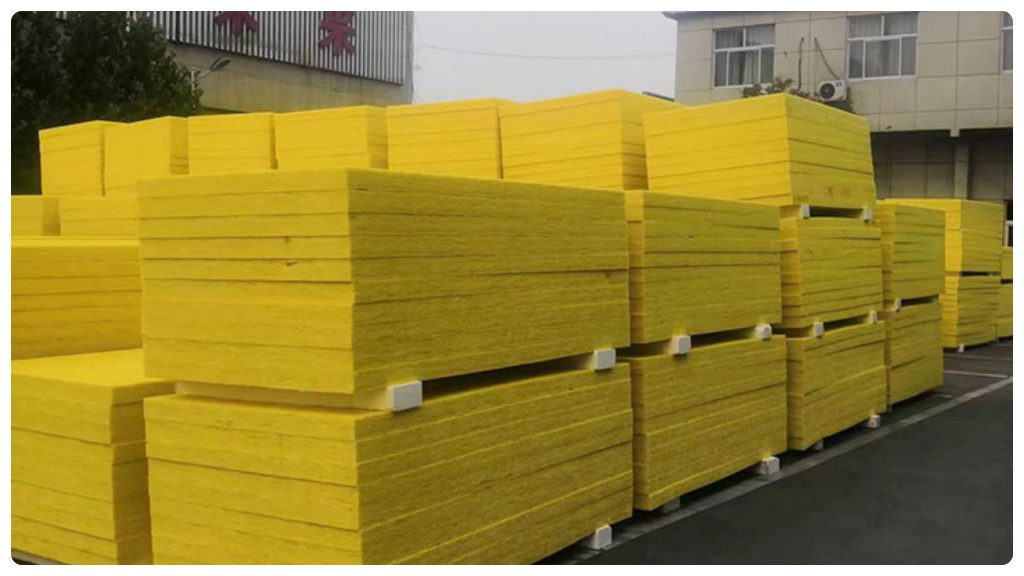
Pricing for fiber glass wool insulation varies significantly based on density, facing type, and order volume. Currently, the market shows a clear stratification. Basic, unfaced rolls with low density (10-12 kg/m³) represent the entry-level segment, while high-density boards (24-48 kg/m³) with aluminum foil facing command a premium due to their superior mechanical strength and thermal performance .
Below is a comparative analysis of typical offerings from verified suppliers to help you benchmark costs:
| Supplier / Source | Product Type / Density | Price Range (per unit) | MOQ | Key Feature |
|---|---|---|---|---|
| Tianjin Iking Gerui | FSG-coated rolls (Standard) | $0.16 – $0.36 / m² | 1,000 m² | Cost-effective for large-scale builds |
| Hebei Liangpeng | 12-24 kg/m³ Blanket | $0.35 – $0.55 / m² | 5,000 m² | High tensile strength; vacuum packed |
| Jinan United Perfect | Acoustic Rolls | $0.28 – $1.99 / m² | 1 m² | Low entry threshold for sampling |
| Tianjin JingYu | Faced Duct Wrap | $0.30 – $3.00 / piece | 100 pieces | High reorder rate (45% market trust) |
| Shenzhou Energy | High-Density Board (24kg/m³) | $0.44 – $2.90 / m² | 100 m² | Customizable for industrial use |
*Note: While some suppliers advertise prices as low as $0.03/sq ft, these often apply to very thin, low-density variants that may not meet structural or thermal requirements for commercial projects .*
4. Health, Safety, and Environmental Compliance
For procurement teams, ensuring the safety of the material during installation is a legal and ethical responsibility. Fiber glass wool insulation classified as low biopersistence (LBP) is considered non-hazardous under the Globally Harmonized System (GHS), significantly reducing workplace exposure risks .
When evaluating suppliers, request documentation confirming that the fibers are biosoluble. Additionally, look for fiber glass wool that contains high levels of post-consumer recycled glass (typically 20-25%) to align with green building certifications like LEED . The material should also demonstrate:
-
Water repellency: Hydrophobicity rates should exceed 98% to prevent mold growth .
-
Fire performance: Class A/A1 non-combustible rating is mandatory for commercial applications .
5. Procurement Workflow Optimization
To streamline the purchasing process and avoid delays, follow this proven workflow:
Step 1: Define Technical Specifications Precisely
Avoid vague descriptions. Instead of “insulation roll,” specify: “Fiber glass wool insulation, 50mm thickness, 24 kg/m³ density, FSK (Foil-Scrim-Kraft) facing, R-value > 1.5 m²K/W, Class A fire rating.” This ensures apples-to-apples comparisons .
Step 2: Shortlist Based on Verified Metrics
Use B2B platforms to filter suppliers based on operational data. Prioritize those with:
-
On-time delivery: >96%
-
Response time: <5 hours (indicative of service quality) .
-
Transaction history: Verified revenue figures (e.g., >$1M online revenue) indicate export experience .
Step 3: Request and Test Physical Samples
Never commit to bulk orders without physical validation. Samples (usually 1-2 sqm) should be tested for:
-
Spring-back: After removing from vacuum pack, material should recover 100% thickness within 24-48 hours .
-
Fiber integrity: Check for uniform diameter and minimal dust.
-
Adhesion: For faced products, ensure the foil does not peel easily .
Step 4: Negotiate Logistics and Payment Terms
-
Payment: Use escrow services or Trade Assurance to protect capital. Standard terms are 30% T/T advance, balance before shipment .
-
Packaging: Ensure vacuum packing is used to reduce shipping volume (containers can hold significantly more product when vacuum-sealed) .
-
Incoterms: FOB (Free on Board) is standard for sea freight, but DAP (Delivered at Place) may be negotiated to simplify customs clearance .
Step 5: Establish Quality Feedback Loops
After delivery, document defect rates and installation feedback. Share this data with the supplier to foster continuous improvement and build a long-term partnership that yields better pricing and priority treatment during peak seasons .
6. Frequently Asked Questions (FAQs)
Q: What is the typical shelf life or warranty for fiber glass wool?
A: High-quality fiber glass wool insulation is chemically inert and does not degrade over time if kept dry. Many manufacturers offer warranties ranging from 5 years to a lifetime (20+ years) against manufacturing defects .
Q: How do I verify if a supplier is actually a manufacturer or just a trader?
A: Look for suppliers who mention “in-house production lines,” “factory floor plans,” or offer video factory audits. Suppliers with MOQs of 1-2 sqm are often traders, while those requiring 500-1000 sqm typically represent manufacturing hubs .
Q: Can I get customized sizes for specific projects?
A: Yes. Most leading manufacturers offer customization. You can order specific widths (e.g., 1200mm), lengths (5-30m), and densities (10-80kg/m³). However, customized orders usually require higher MOQs (e.g., 1000 pieces) and extended lead times of 15-30 days .
Q: Is fiber glass wool insulation suitable for high-temperature applications?
A: Standard fiber glass wool can withstand temperatures up to 250°C-400°C. For industrial furnaces or high-heat pipelines, ensure you select a product with a high “reshrinking temp” rating, typically above 350°C .
Conclusion
Sourcing fiber glass wool insulation is a strategic function that directly impacts the energy efficiency, safety, and profitability of your projects. By focusing on verified supplier metrics, demanding strict technical compliance, and optimizing logistics workflows, procurement professionals can secure high-quality materials at competitive prices while minimizing supply chain disruptions. Use the benchmarks and frameworks outlined in this guide to make informed decisions that balance upfront cost with long-term value.