
Faced fiberglass Batt Insulation Introduction
If you are sourcing insulation for residential, commercial, or metal building projects, you have likely encountered the term faced fiberglass batt insulation more than once. Unlike unfaced rolls, this product comes with a vapor retarder facing—typically kraft paper, foil, or vinyl. For procurement specialists, contractors, and project managers, understanding not just what it is but also how to select, test, and receive it is critical to avoiding callbacks, moisture damage, and code violations.
This guide answers the most common purchasing and technical questions using real-world scenarios. Each section reflects a decision point buyers face when specifying or ordering faced fiberglass batt insulation.Lear more parameters,please click Faced fiberglass Batt Insulation.
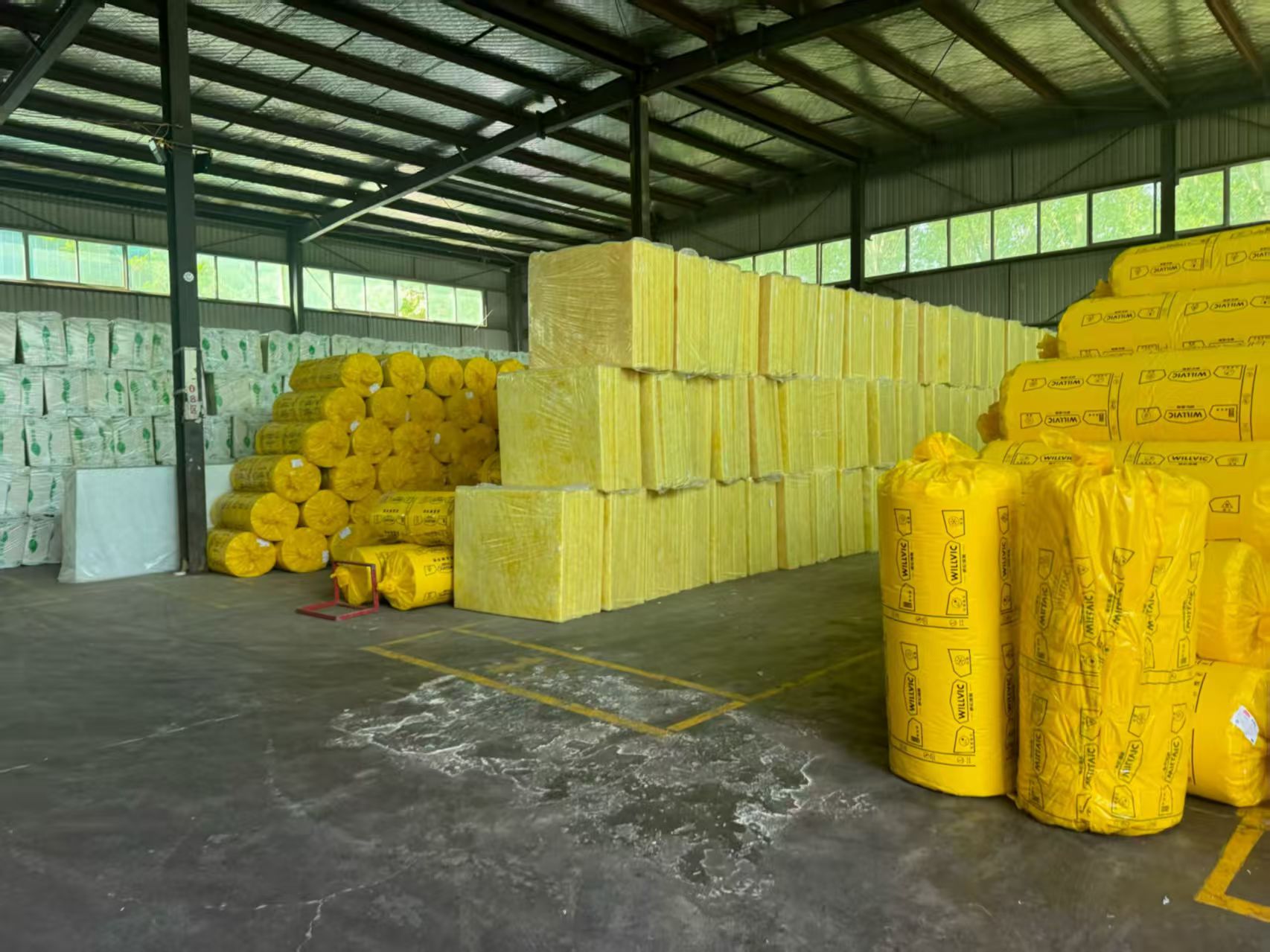
1. What is faced fiberglass batt insulation, and why does the facing matter?
Faced fiberglass batt insulation consists of glass fibers bonded together with a thermosetting resin, formed into pre-cut batts, and laminated to a facing material on one side. The facing acts as an air barrier and vapor retarder. Common facing types include kraft paper (for dry interior walls), foil (for high-heat or humid environments), and vinyl (for cleanrooms or agricultural buildings).
The facing determines where and how the product can be used. For example, foil faced vs kraft faced fiberglass batt is not an interchangeable choice—foil resists moisture vapor better and works well in humid climates or against metal skins, while kraft paper allows mild vapor exchange for indoor dryness.
2. What are the key advantages of specifying faced batts over unfaced alternatives?
Three procurement-level advantages stand out:
– Integrated vapor control – No need to buy separate vapor barrier rolls, reducing stock items and installation labor.
– Staple flange efficiency – Most faced batts include a flange on the facing edge for stapling to wood or metal studs, speeding up installation.
– Simple compliance – Most general building standards require basic vapor protection on enclosed wall cavities. Using faced insulation with vapor barrier in one step simplifies site inspection.
3. What are the most common application scenarios for faced fiberglass batt insulation?
The right scenario depends heavily on climate, building material, and fire safety requirements.
– Attic knee wall faced fiberglass insulation – Unfinished attic spaces with finished rooms behind knee walls require both thermal and vapor control. The facing is placed toward the living space.
– Metal building faced fiberglass batt insulation – Metal roofs and walls easily generate condensation. Foil facing is recommended to block humid air from touching cold metal surfaces.
– Basement wall faced fiberglass batt insulation above grade – Only the above-ground section of a basement wall can use faced batts, with an air gap between masonry and insulation. Underground sections require rigid foam insulation.
– Post frame building faced insulation with vapor barrier – Agricultural or storage buildings benefit from wide batts designed to fit between wooden or metal framing girts.
4. How does faced fiberglass batt insulation compare to other insulation materials?
Procurement buyers often compare faced fiberglass to spray foam, mineral wool, and rigid foam boards.
– vs spray foam – Faced batts cost 40–60% less upfront and are fully removable. However, they offer weaker air-sealing performance. For simple exposed garage installations without drywall, use durable flame-resistant facing.
– vs mineral wool – Mineral wool is water-repellent and stands up to higher temperatures. Fiberglass is lighter, easier to cut, and more cost-effective. Note that faced fiberglass batt sagging in ceiling after years may happen with low-density products.
– vs rigid foam – Rigid foam provides continuous insulation but cannot fit irregular wall cavities. Faced batts flexibly fill framed spaces without extra air gaps.
5. How to select and identify a high-quality faced fiberglass batt insulation product
-
Density and recovery – Good quality batts come compressed in packaging and spring back to full thickness within seconds of removal. Poor quality batts remain flattened or have visible voids in fiber distribution.
-
Facing adhesion – Peel back the facing corner from the fiberglass. High-quality products require moderate force and leave some fibers attached to the facing adhesive. If the facing separates cleanly with no fiber transfer, delamination may occur during transport.
-
Staple tab integrity – The flange edges should not tear when folded or lightly tugged. Faced insulation staple tab facing tearing solution is a common procurement complaint—reinforced flanges effectively avoid this issue.
6. How to evaluate and test faced fiberglass batt insulation before purchase
-
Vapor permeability check – Ask suppliers for basic vapor transmission data. Kraft paper has mild breathability, while foil facing provides nearly complete vapor blocking.
-
Compression recovery test – Place heavy weight on a batt for 24 hours, then remove it. Within 15 minutes, thickness should return to at least 90% of original size.
-
Heat resistance check – Use simple heat testing to observe facing performance. Qualified fire-rated facing will not catch flame or produce melting droplets.
7. Supply chain, logistics, and packaging considerations
-
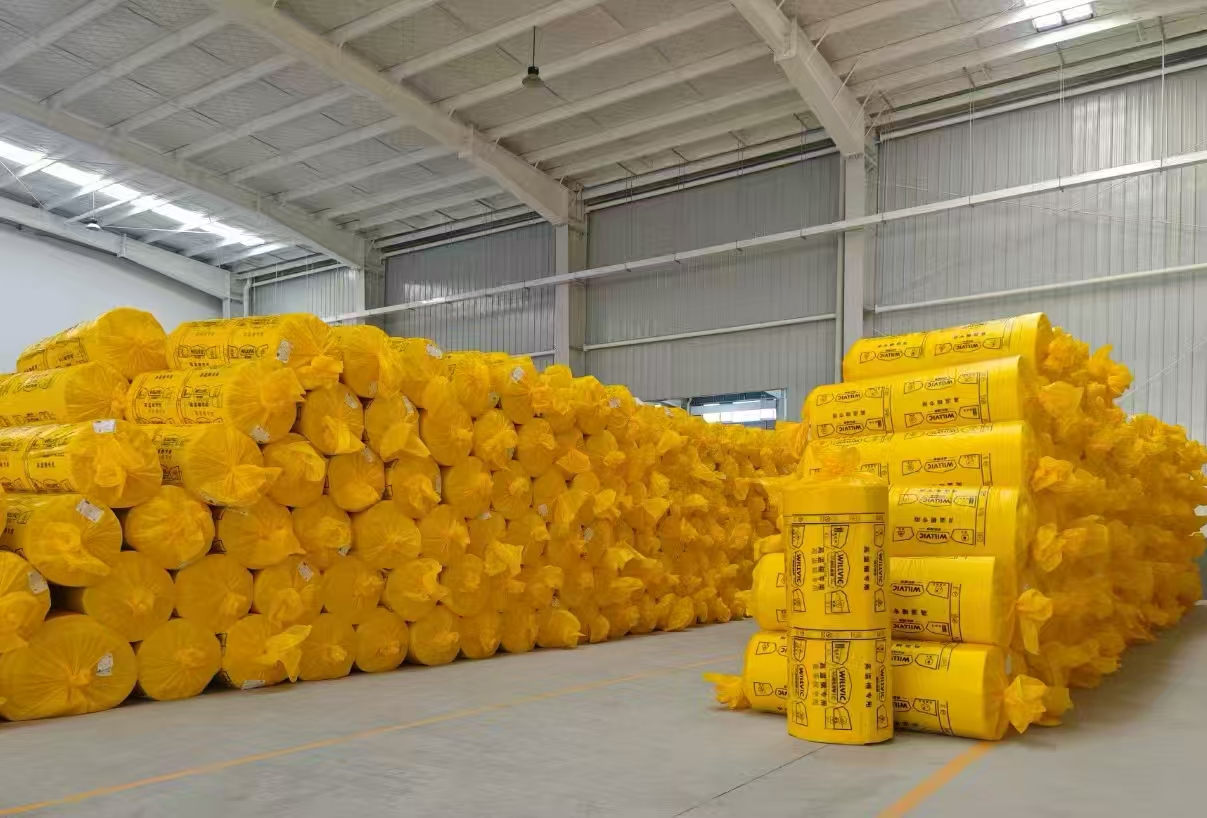
Compression packaging – Reputable suppliers vacuum-pack batts to reduce shipping volume. Compressed goods save container space and lower freight fees. Uncompressed products require nearly three times the storage space.
-
Moisture during transit – Kraft facing easily absorbs humidity. If pallets are exposed to rain or damp air, the facing can warp and metal staples may rust. Use shrink wrap with desiccant packs to avoid faced insulation shipping damage claim scenarios.
-
Minimum order quantities – Most manufacturers supply full pallet orders. For smaller projects, work with distributors that offer small quantity faced fiberglass batt purchasing options.
8. How to install faced fiberglass batt insulation properly
-
Cavity fit – The batt width must match frame spacing. Always measure actual cavity size before ordering to avoid mismatched dimensions.
-
Facing orientation – As a general rule, place the vapor-facing side toward the drier, indoor space. In humid tropical regions, avoid placing vapor barriers deep inside damp walls to prevent trapped moisture.
-
Avoid double vapor retarders – Do not install faced batts over additional plastic vapor sheets. Trapped moisture leads to moisture between facing and drywall causes mold within months.
9. Frequently Asked Questions
-
Request a faced insulation R-value chart with clear performance data.
-
Confirm small quantity faced fiberglass batt availability for test runs.
-
Specify compression packaging and moisture protection in your logistics contract.